
As a 7th-semester medical student, I have spent years memorizing pathophysiologies, diagnostic criteria tables, and therapeutic algorithms. Yet nothing I read in any gynecology textbook prepared me for the day the clinical case study became my own life. It all started when my body flashed a terrifying warning sign: I began bleeding for days on end, passing heavy and frequent blood clots. For any woman (and especially for me, as someone who already understood the gravity of red flag symptoms) that scene triggered a silent panic. The immediate fear that crosses your mind is not minor: you think of severe pathologies, neoplastic processes, a cancer developing silently.
However, the response I received from those around me, including healthcare professionals, was neither empathetic nor investigative. The initial reaction from almost everyone upon hearing about abnormal bleeding and clots was the automatic and biased: “You must be pregnant.” Even though I was 100% certain I was not pregnant, the medical bias insisted on reducing a young woman’s pain and acute symptoms to a routine pregnancy suspicion. This is a recurring structural bias in medicine: a woman presenting with bleeding or pelvic pain is labeled before her history is ever carefully taken.
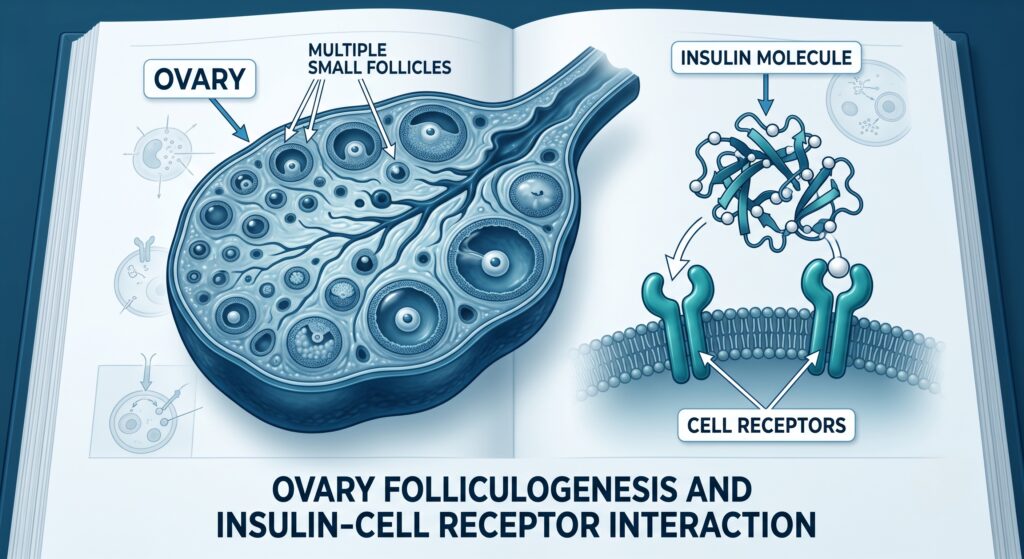
I needed answers and, above all, to rule out my worst fear. I managed to get a transvaginal ultrasound. The results showed neither a pregnancy nor a malignancy, but visibly enlarged ovaries with multiple micropolycystic follicles. There on the monitor, the image confirmed what medical literature has tried to teach us for years: classic PCOS (Polycystic Ovary Syndrome). However, living through this firsthand exposed just how limited and unprepared clinical management still is when handling this condition. When I asked about the next steps, I faced clinicians who didn’t seem to know what to answer, what labs to order, or how to manage the case. The lack of updated knowledge was undeniable.
The limits of PCOS and the urgency of PMOS
That ultrasound was only the tip of the iceberg. The truth is that looking solely at ovaries and bleeding is a chronic mistake medicine has made for decades. The condition I was facing, and that millions of women navigate without clear answers, is not merely a “gynecological issue” of cystic ovaries. Modern evidence-based medicine acknowledges that we must shift our mental paradigm from PCOS to PMOS ( Polyendocrine Metabolic Ovarian Syndrome).
What paralyzes a patient is not the presence of microfollicles themselves, but the underlying metabolic storm. The core engine of this condition is insulin resistance and compensatory hyperinsulinemia. When systemic metabolism breaks down, insulin acts excessively on ovarian theca cells, triggering androgen overproduction, disrupting the ovulatory cycle, and leading to severe anovulation and abnormal uterine bleeding. Treating PMOS requires understanding that the ovary is simply the target organ of a much broader systemic endocrine imbalance.
Where medical management fails and what we must change
My journey to full answers is still ongoing. I still need to complete a comprehensive blood panel to map my metabolic profile, calculate my HOMA-IR, assess lipid markers, and evaluate how my body is handling metabolic stress, ultimately establishing a truly targeted therapeutic plan. Experiencing this from the patient’s side completely transformed the physician I am training to become at EducarMed. It taught me three essential lessons for clinical practice:
- Listen to the patient without bias: Never dismiss a woman’s chief complaint as an assumption of pregnancy or an “exaggeration.” The fear of a severe diagnosis like cancer is real, and validating psychological distress is an essential part of the medical act.
- Ultrasound is not the end of diagnosis: Finding polycystic ovaries on imaging does not conclude clinical reasoning; it is where it begins. The diagnostic workup must evaluate insulin resistance, lipid profiles, and cardiovascular risk.
- Address lifestyle and systemic metabolism: Prescribing oral contraceptives to “regulate the period” and sending the patient home without answers is no longer acceptable. The definitive management of PMOS requires improving insulin sensitivity, optimizing nutrition, lowering inflammatory risk, and restoring quality of life.
If you have ever experienced the anxiety of unexplained heavy bleeding, or if you are a student or clinician who wants to master gynecology and endocrinology with true empathy and updated science, I invite you to follow our guides at EducarMed.com. Medicine needs to evolve, and that change starts with how we listen to and care for every patient.
Educar Med isn’t just about passing tests; it’s about rejecting clinical mediocrity. We are a community dedicated to training the new generation of physicians who think, examine with precision, and transform lives.
Keep raising your clinical standards. Follow Educar Med on social media: